
How rare are grey eyes?
Blue-grey eyes, dark grey eyes, and other shades of grey iris are rare worldwide. The majority of the global population has brown eyes. The remaining people have eyes in the blue, hazel, amber, or green families.
While grey eyes are extremely uncommon, they are not the rarest eye colour. Green eyes are actually the rarest eye colour in the world.
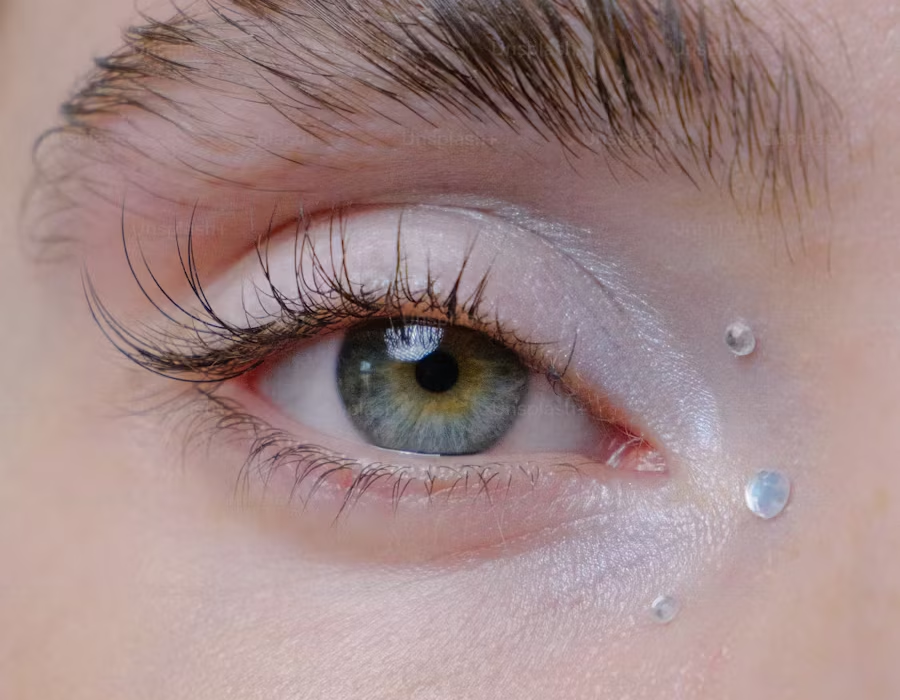
What percentage of people have grey eyes?
Out of the entire global population, it’s estimated that only about 3% of people have grey eyes. To give you an idea of how rare that is, here’s how eye colours are distributed worldwide:
- Brown – 70% to 80%
- Blue – 8% to 10%
- Hazel – 5%
- Amber – 5%
- Grey – 3%
- Green – 2%
Where do grey eyes come from?
Like other eye colours, grey eyes are the product of genetics and melanin. Melanin is the pigment that gives your skin, hair, and eyes unique shades.
The genetics you inherit help determine your eye colour. If one or both of your parents have grey eyes, you’re more likely to have them too. The shade of grey depends on the amount and type of melanin in your iris, which your genes also help determine. People with more melanin have darker eyes, and those with less melanin have lighter eyes.
Grey eyes, no matter the shade, have less melanin than brown eyes and other dark eye colours. In fact, they may have very little or even no melanin in them.
Collagen in grey eyes
Another thing that makes grey eyes so remarkable is the large amount of a protein known as collagen. Collagen is responsible for giving structure and sturdiness to parts of the body such as the bones, tissues, and muscles. It also gives the eyes their structure.
The stroma (the front layer of the iris) in grey eyes contains more collagen than other eye colours. Eyes appear more grey due to the way light scatters off the large amount of collagen.
Medical and other causes for eyes to turn grey
Certain medical issues can affect the colour of your eyes. Some can make the eyes appear darker, and others can make them appear duller or more grey. Here are some possible causes of grey eyes:
Cataracts
As you age, the proteins found in the eye’s natural crystalline lens can deteriorate, causing a clouding of the lens. This clouding is called a cataract.
Cataracts can cause blurriness or make the world seem less colourful. They can also make a person’s eyes appear cloudy, which may resemble a grey iris.
Arcus senilis
Over time, the cornea may collect fatty deposits around its edges. These deposits can form a grey ring around the iris. This is a condition called arcus senilis. It doesn’t usually impact your vision, but it can cause the eye to look like it’s changing colour. The ring may also look white or blue, depending on the case.
Ocular argyrosis
When a person’s body is exposed to a significant amount of silver, a condition called argyria may develop. This rare condition causes the skin to turn a bluish or greyish colour over time due to chronic silver toxicity.
When argyria affects the eye(s), it can cause a grey discoloration. When it only affects the eyes (and no other body parts), it’s called argyrosis.
Argyrosis is very uncommon. However, you may be at a higher risk of developing argyrosis if you handle silver in a factory, have a dental filling containing amalgam, or take medication that contains silver.
Disease or injury of the cornea
Corneal scarring can create a hazy layer on the iris, making it look lighter than usual. The lighter discoloration may occur due to corneal injury, ulcers, infection, swelling, or disease. Speak with your eye doctor promptly if you notice any unusual discoloration in your eye.

What are grey spots on the white of the eye?
Grey spots may appear on the white part of the eye (the sclera) as a result of:
- Age-related changes
- Eye injuries
- Eye infections
- Dry eyes
- Congenital eye conditions
In some cases, the spots may be harmless, but in other cases, they may be a cause for serious concern. Contact your eye doctor as soon as possible if you notice any grey spots or other discoloration in your eyes.
Grey coloured contacts
If you don’t have grey eyes, but you love their look, you may want to consider trying coloured contacts. Your eye doctor can describe the process for getting new contacts and determine if they’d be a good option for you.
Even if you don’t need vision correction, you’ll need a contact lens prescription from your doctor to ensure the lenses you order will fit properly. They determine your contact prescription based on the results of a contact lens exam and fitting.
If you decide to give coloured contacts a try, be sure to practice proper lens care. Your eyes will thank you.