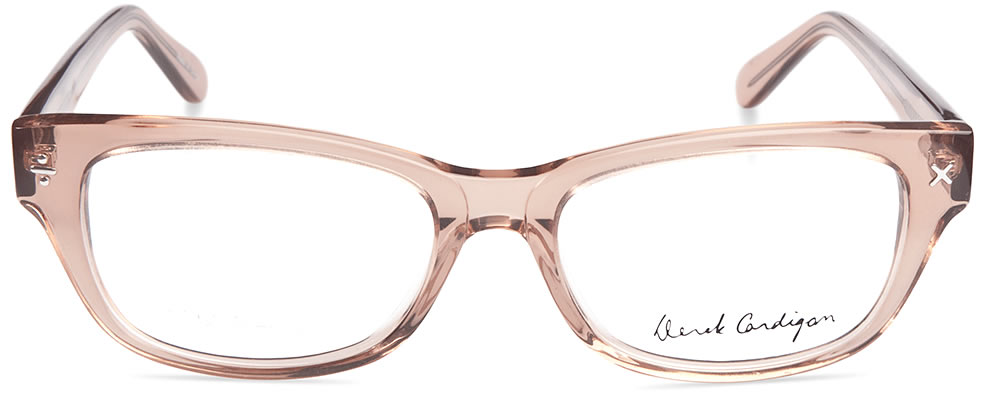


Every driver knows the feeling. Oncoming headlights flare into a bright starburst, road signs go soft and the painted lines fade into the dark. So it’s fair to ask whether a pair of night driving glasses can really fix it. The honest answer is that the right pair helps, and the wrong pair does nothing. The best eyewear for night driving does two things. It carries your current prescription, and it adds an anti-reflective coating that cuts the glare bouncing off your lenses. Those yellow-tinted ‘night time driving glasses’ you see online are the part that falls short, and we’ll get to why.

What are night driving glasses?
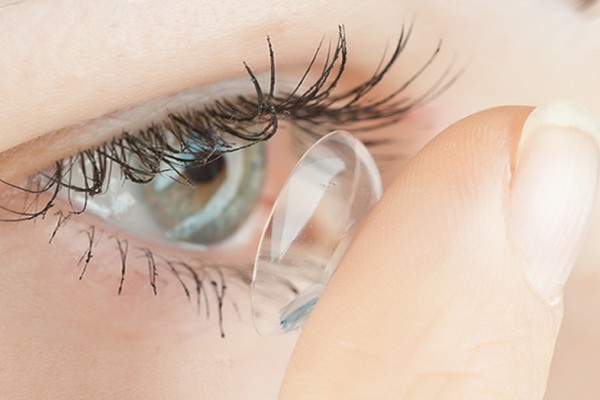
Night driving glasses are simply prescription glasses set up for low light, and two features do the work. The first is a set of clear lenses made to your current prescription, so a blurry road snaps back into focus. The second is an anti-reflective coating, or AR coating. It is a very thin layer on the lens that cuts surface reflections. Without it, a bright headlight bounces around inside your lens and throws halos and starbursts across your view. With it, more of that light passes straight through, and the glow around each oncoming car shrinks. This clear, coated pair is the one worth buying. It only helps if you actually need vision correction.
What makes night driving difficult?
Your eyes are working against a stacked deck after dark. Your pupils open wider to gather light, which also lets in more glare from oncoming headlights and streetlamps. An out-of-date prescription blurs the edges you rely on to judge distance. Astigmatism (an uneven curve in your eye) smears each point of light into a streak. It can stretch a single headlight into a little comet tail. Now add a dusty windshield or a smudged lens. The little light there is scatters before it reaches your eye. A scratch you’d never notice by day becomes a smear of light at night.
Do night driving glasses work?
They do, as long as they are clear and coated. Match a pair to your current prescription and add an anti-reflective coating. You get sharper focus and fewer halos around headlights. That is the exact thing that makes night driving feel so tense. It is a real, repeatable benefit you notice on the very first drive.
The one thing to skip is the yellow tint. Yellow lenses are sold as glare cutters. But a JAMA Ophthalmology study put drivers through a night-driving test and found no advantage. The yellow lenses did not help drivers spot people on the road. They did not cut headlight glare either, next to plain clear lenses. [1] Any tint also dims the little light your eyes have to work with after dark. Keep your night lenses clear, and let the coating handle the glare.
What glasses should I wear for driving at night?
The best eyewear for night driving is a clear prescription pair with an anti-reflective coating, and nothing tinted. If your daytime vision is already sharp without glasses, a plano (non-prescription) pair won’t sharpen a healthy eye in the dark. Put that money toward a windshield wash instead.
Daytime glare is a separate job. Low winter sun and wet roads throw a harsh, flat glare. A tinted lens really does tame that, so prescription sunglasses and polarized lenses belong here. A polarized lens filters the glare that bounces off a wet road or a car hood. Any pair should also filter UV rays, so look for UV400 (it filters UV light up to 400nm). Just never carry that tint into the dark. Build your night pair from our prescription glasses, and keep a set of prescription sunglasses or polarized lenses for the drive home before dusk.
Tips to improve your night vision
A few habits sharpen the view more than any single purchase:
- Keep your prescription current. Book an eye exam every year or two, because a small change you won’t notice by day shows up as blur at night.
- Add the anti-reflective coating when you order your lenses. It is the one upgrade aimed straight at headlight halos.
- Clean both sides of your lenses and the inside of your windshield. Film and fingerprints scatter light into a haze right in front of you.
- Keep your lenses scratch-free. A deep scratch turns a single headlight into a spray of light you can’t blink away.
- Dim your dashboard, and aim your eyes toward the lower right edge of your lane. That keeps oncoming high beams out of your line of sight.
What is night blindness?
If the road still feels dangerously dark in a clear, well-focused pair, the glasses aren’t the problem. Ongoing trouble seeing in low light has a name: night blindness (nyctalopia). The American Academy of Ophthalmology calls it a symptom of another vision problem, not a condition of its own. [2] Glasses fix the focus part of the picture, so an up-to-date prescription is always worth ruling in first.
Causes of night blindness
Night blindness can stem from an out-of-date prescription, or from one you don’t have yet. It can also stem from a vitamin A shortfall, or another issue that only an eye exam will pin down. [2] Glasses can’t treat a deeper cause. So if a fresh, well-fitted pair still leaves the road too dark, book an eye exam and let an eye-care professional take a proper look.
How to buy glasses for night driving online
Building the right pair online takes about as long as reading this. Start by picking frames you like, from an own-brand Clearly frame to a designer name such as Ray-Ban. Then enter your prescription and add the anti-reflective coating at the lens step. That clear, coated pair is your night time driving glasses, sorted. If you also drive into low sun before dusk, keep a tinted pair for the day and leave it in the glovebox once the light goes. We’re here to help you find your focus, whatever the road throws at you.
Sources
[1] JAMA Ophthalmology (Hwang AD, Tuccar-Burak M, Peli E, 2019) — yellow-lens night driving glasses did not improve drivers’ ability to detect pedestrians or reduce the effect of headlight glare during simulated night driving compared with clear lenses.
[2] American Academy of Ophthalmology — night blindness (nyctalopia) is a symptom of another vision problem, not a disease in itself, and can result from causes such as a vitamin A deficiency.