

For being a rare eye colour, blue eyes have made quite a name for themselves across different cultures. The symbolic use of blue eyes in art and literature seems to be more common than any other colour. Some cultures believe in the “Evil Eye” — a pale blue eye that is thought to protect against evil forces. Whatever the case, blue eyes seem to have a way of captivating people.
Read on to learn interesting facts about blue eyes, including what this eye colour can mean for your health. Plus, eyewear tips for blue-eyed people who really want their peepers to pop.

Facts about blue eyes
Here are a few interesting facts about this eye colour:
Blue eyes are rare
While blue eyes are technically the second most common eye colour globally, they’re still considered rare. Only 8% to 10% of the global population has blue eyes.
Blue eyes aren’t actually blue
Eyes get their colour from a substance called melanin. Melanin is created by cells called melanocytes. Everyone has the same number of melanocytes, but the amount of melanin produced varies from person to person. The more melanin the cells produce, the darker the pigment is in a person’s eyes, skin, and hair.
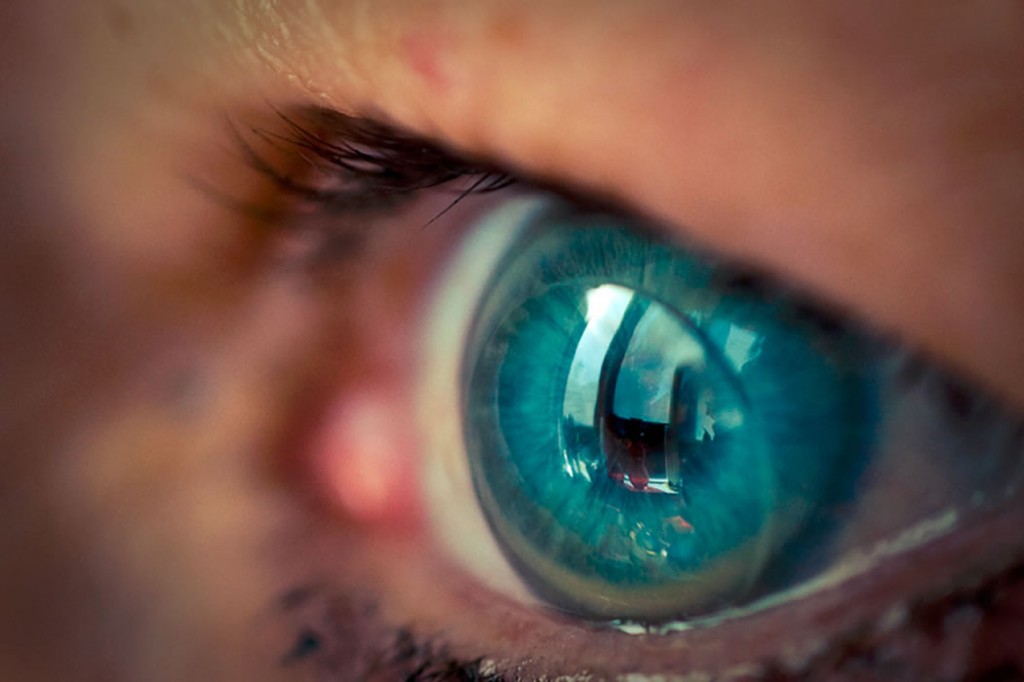
While many people believe blue eyes occur when blue pigment is present, that’s actually not the case. Rather, blue-coloured eyes result from a lack of pigment in the iris (the coloured part of the eye).
Because there is little to no pigment in blue eyes, longer wavelengths of light are absorbed and scattered when light hits the iris. The shorter wavelengths of light, like blue light, are reflected from the iris, giving the eyes a blue appearance.
Blue-eyed people may have descended from a common ancestor
According to studies, most (but not all) people with blue eyes show an identical genetic difference in the OCA2 gene. This gene is responsible for making pigment in the hair, skin, and nails. In blue-eyed people, the OCA2 gene was found to produce less pigment in the eyes.
The fact that this difference is seen across most people with blue eyes has led scientists to believe that these blue-eyed people may descend from a common ancestor.
Babies’ eye colour can change as they grow
Around 50% of Caucasian babies are born with blue or grey eyes. While some babies will keep their blue eyes, many will experience a change in eye colour during the first few months of life.
This is because melanin production takes time to develop in the iris. As the baby grows and their eyes develop, more melanin will be produced. This can cause pale blue eyes to darken into a green, hazel or amber colour.
Babies born from parents with higher levels of melanin, such as indigenous, black, or people of colour, are most often born with brown eyes that stay brown as they grow. They can also be born with blue eyes or lighter-coloured eyes that darken later, but it’s much less common.
Blue eyes are more sensitive to sunlight
Just as a person with fair skin is more susceptible to sunburn, blue-eyed people are more prone to photophobia (light sensitivity). The smaller amount of pigment in the eyes affects their ability to block or filter out harsh sunlight or fluorescent light. This can lead to squinting or blurred vision in bright environments.
Keep in mind that light sensitivity can also affect people with darker eyes, but it is more prevalent in blue-eyed people. Wearing dark-tinted sunglasses and a hat when outdoors can keep the sensitive eyes more comfortable in bright conditions.
Two blue-eyed parents can have a child with brown eyes
When it comes to genetics and eye colour, it’s kind of a toss-up for what colour your child’s eyes will be. For example, parents with blue or blue-green eyes can have a brown-eyed child.
Without getting too deep into the nitty-gritty of genetics, blue eyes are a recessive trait, and brown eyes are a dominant trait.
So, while both parents may have blue eyes, if one or both have a “brown eyed” gene in their DNA, it’s possible that one or more of their children could have brown eyes.
Health considerations for people with blue eyes
As mentioned earlier, blue-eyed people — regardless of whether they have pale or dark blue eyes — are at a higher risk of light sensitivity.
Fortunately, the irritation that results from photophobia can be avoided by wearing sunglasses and a hat when outdoors. People who experience light sensitivity indoors with fluorescent lighting may benefit from lightly tinted eyeglasses to help filter some of the harsh indoor light.
People with blue eyes also face the risk of developing a specific type of eye cancer called uveal melanoma. The uvea is the middle layer of the eye’s “wall” and includes the iris, choroid, and ciliary body.
Uveal melanoma occurs when the melanocytes in the eye mutate and become cancerous. It’s most common in elderly Caucasian adults with blonde hair and light eyes. Routine eye exams can help detect serious conditions like this and allow your eye doctor to establish treatment early.
Famous Canadians with blue eyes
While Canada has its fair share of blue-eyed celebs, below are a few you may recognize:
- Catherine O’Hara
- Wayne Gretzky
- Martin Short
- Rachel McAdams
- Matt Murray
- Pamela Anderson
- Ryan Gosling
How can I get blue eyes?
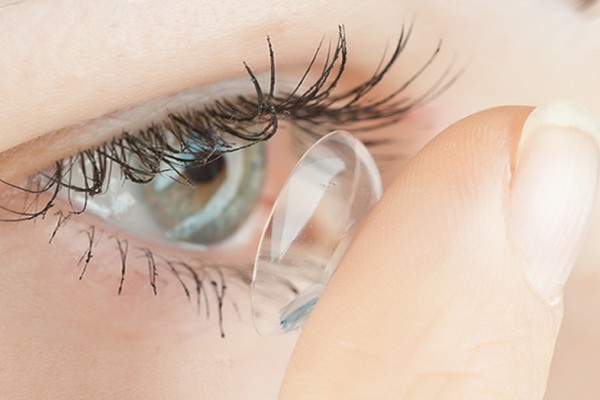
If you don’t naturally have baby blues, worry not. Coloured contacts make it easy to change your eye colour temporarily. We offer daily and extended-wear contacts that come in a variety of colours, so you can experiment with different eye colours to see which you like best. Although, if you ask us, your natural eye colour suits you beautifully.
What colour glasses for blue eyes?
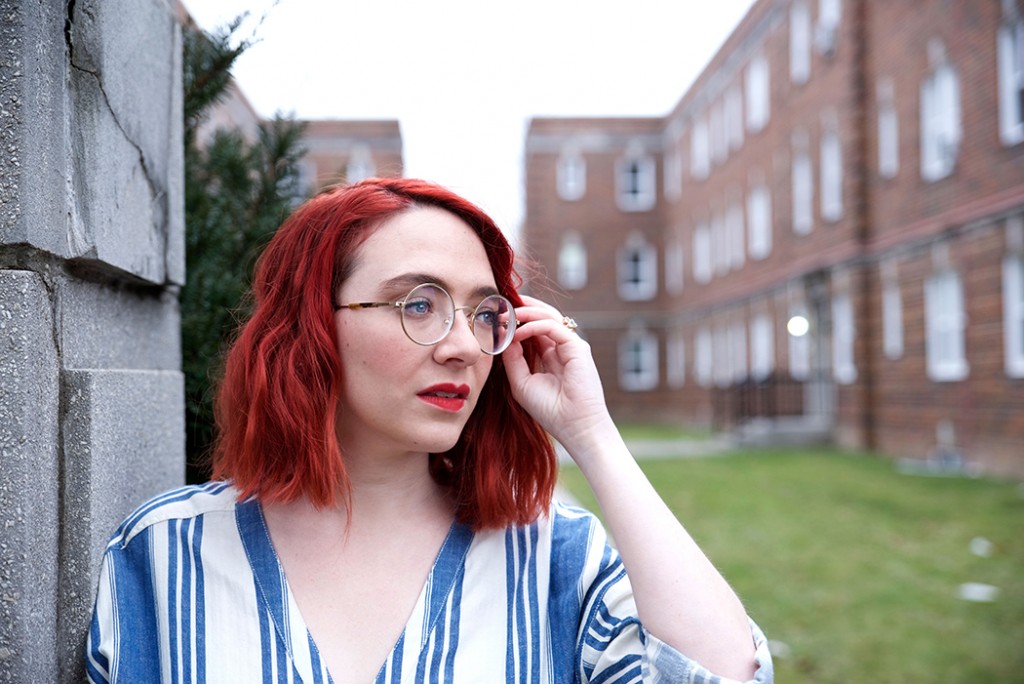
When shopping for your next pair of specs, you may want to consider different frame colours that will make your eyes pop.
Neutrals
Brown, tan, taupe, and other neutral colours can make blue-coloured eyes really stand out. Choose black frames for a dramatic choice or brown and tortoise frames for something more subtle.
Pinks
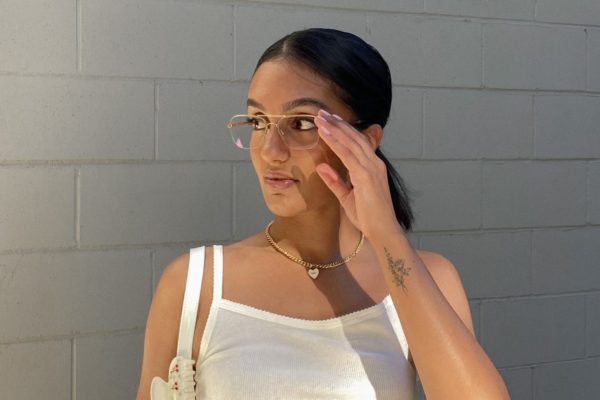
Something about pink frames really brings out the blue in people’s eyes. Whether it’s a gentle rose-coloured cat eye frame or a bold fuchsia square frame, your blue eyes will be the star of the show.
Warm tones
Shades on the warmer side of the colour wheel often look stunning against dark or pale blue eyes. A simple gold frame can do the trick, or if you’re looking to be a little adventurous, try a coral, orange, or yellow frame to really emphasize your eyes.
Whatever eye colour you have, it’s important to protect them from UV rays with a trusted pair of sunglasses. Check out our selection of bestsellers now to find your perfect pair.