

You reach into a drawer and find an unopened box of contacts from last year. Are they still good to wear, or should they go in the bin? It’s a fair question. Contacts do have a firm expiry date, and it is there for a reason. Here’s what the date means, where to find it and how to wear your lenses safely.

Yes, contact lenses expire, and the date is on every box
Contact lenses are not just bits of plastic. They are sterile medical devices. In Canada, Health Canada licenses corrective lenses before they can be sold. [1] In the United States, the Food and Drug Administration (FDA) oversees their safety and how they are made. [2] That status is why every pack carries an expiry date.
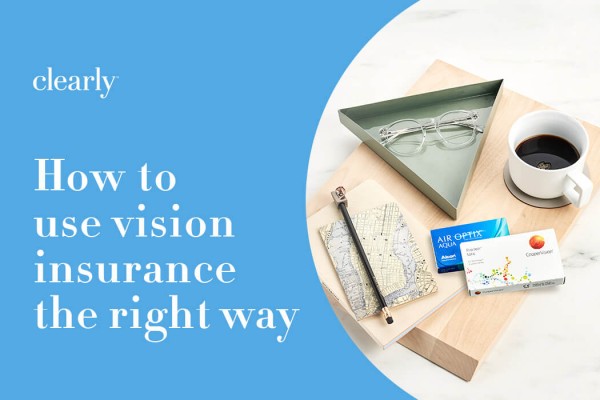
Look for ‘EXP’ on the outer box and on each blister or vial. The date is usually one to four years from the day the lens was made. A daily lens like Alcon’s PRECISION1 comes in its own small sealed blister. Our own everclear AIR, a monthly lens, comes sealed too. Either way, the printed date only counts while the lens stays sealed and stored well.
Why the date matters: it is about sterility, not the lens
Here’s the part most people miss. Each lens sits in a foil-sealed pack of sterile saline (a gentle salt solution matched to your eye). [2] The date shows how long that seal keeps the saline sterile. It is not the plastic wearing out. It is the clean, sealed solution inside.
Once the date passes, the seal can no longer be trusted. That is why the FDA and the American Academy of Ophthalmology (AAO) both say not to wear lenses past their printed expiry. [2][3] A lens that is not sterile can carry germs to your eye, and that raises the risk of irritation and infection. [2]
Can you use expired contacts?
No, even if the box looks perfectly fine. A sealed blister gives no clue that its sterility has lapsed. So ‘it looks okay’ is not a safe test. If your only pair has expired, skip lenses that day and wear your glasses instead.
The same goes for any pack that is damaged, leaking or dried out. Bin it, whatever the date says. And if you are ever unsure whether a lens is safe, your optometrist is the person to ask.

Three different clocks: expiry, replacement and prescription
‘Expiry’ really covers three separate timelines, and they are easy to mix up. The moment you open and wear a lens, the box date stops mattering. Your replacement schedule takes over instead.
| The clock | What it governs | What to do |
|---|---|---|
| Box expiry date | Sterility of the unopened, sealed lens | Don’t wear past the printed ‘EXP’ date |
| Replacement schedule | How long a lens is safe once you open it | Follow the wear cycle for your lens type |
| Prescription expiry | How current your fitting is | Renew with your optometrist when it lapses |
Your replacement schedule depends on the lens. Daily disposables such as PRECISION1 or 1 Day Acuvue Moist are worn once, then binned that evening. There is nothing to store. Reusable monthlies like everclear AIR are made for 30 days of wear. The everclear PLUS lens runs on a two-week cycle. Wearing a lens past its cycle, even a comfy one, is a habit eye doctors flag often. If you like never having to clean or store lenses, browse the daily contact lenses range.
Your prescription expires too. A contact lens fitting is written for a set period. It reflects your eyes right now, which is why a glasses prescription and a contact lens prescription are not the same thing. When yours lapses, book a check-up instead of reordering on an old script. (Want to decode the numbers first? Our guide to reading your eye prescription breaks them down.)
Storing lenses and solution so they last
Keep unopened boxes cool and dry, at room temperature and out of direct sunlight. A bathroom cabinet is fine. A hot car dashboard is not. There is little point stockpiling years of lenses, so buy what you will get through well before the date.
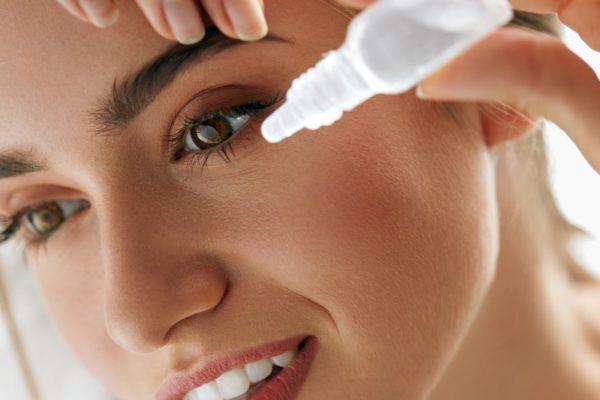
Your solution and eye drops have dates too. Most print a ‘discard after opening’ time on the bottle. For reusable lenses, good habits matter as much as fresh product. The Centers for Disease Control and Prevention (CDC) gives three simple rules. Rub and rinse your lenses, then store them in fresh solution every time. Never ‘top off’ old solution with new (doing so weakens its cleaning power). And swap your lens case for a new one every three months. [4] A multipurpose solution cleans, rinses and stores in one step. A hydrogen peroxide system like Clear Care works differently: it needs its own special case and a soak of at least six hours before the lenses touch your eye.
The bottom line
Yes, contacts expire. The date is a real safety line, not a marketing nudge. Past it, a sterile medical device can no longer be counted on as clean. Check the ‘EXP’ date before you open a box, match your wear to your lens type and keep your prescription current. When a date has passed, or a pack simply looks off, your optometrist is the best call. Ready for a fresh, in-date supply? Explore daily and monthly options across our contact lenses range and reorder with confidence.
Related articles
Sources
[1] Health Canada — licenses corrective contact lenses as medical devices before they can be sold in Canada, requiring that they are safe, effective and of quality manufacture. canada.ca
[2] U.S. Food and Drug Administration (FDA) — regulates contact lenses as medical devices and oversees their safety and manufacturing; each lens is supplied sterile in a foil-sealed pack of buffered saline and should not be used after its expiration date. fda.gov
[3] American Academy of Ophthalmology (AAO) — advises against wearing contact lenses that are past their expiration date. aao.org
[4] Centers for Disease Control and Prevention (CDC) — rub and rinse lenses and store them in fresh solution every time, never ‘top off’ old solution, and replace the lens case every three months. cdc.gov