
Somewhere in your 40s, the dinner menu starts drifting away from your face. You can still read the road signs across the street. Yet the small print on a jar has turned into a squinting contest. That daily tug between near and far is what progressive lenses fix. At Clearly, we can fit them into almost any frame you like.

What progressive eyeglass lenses actually are
Progressive eyeglass lenses are single lenses that hold three focus zones in one smooth surface. You see clearly up close, at arm’s length and far away, without ever switching glasses. The top of the lens is set for distance. The middle covers screen and dashboard tasks. The lower part carries your reading strength, the extra near power your optometrist writes as your ‘add’. The power builds gradually down the lens, so there is no visible line and no hard edge between zones.
So why do you need them? The answer is presbyopia. Presbyopia is a normal age-related change, usually starting around 40, when your eyes slowly lose the knack of switching focus between near and far (Cleveland Clinic). [1] It reaches almost everyone in time, and it is part of aging, not an eye disease. You might also see progressives called varifocals, or graduated lenses. ‘Graduated’ simply nods to that gradual power change from top to bottom.
How the three zones work
The habit behind progressives is simple. You point your nose at whatever you want to see. Look straight ahead for distance. Lower your eyes for the middle distance, like your dashboard or a monitor. Drop your chin to read through the bottom.
The band that links these zones is called the corridor. That is the narrow channel of rising power down the centre of the lens. Either side of it, the optics soften a little. New wearers often notice slight blur at the far edges, until the head movement feels natural. That said, the trade is worth it. Progressives remove the ‘image jump’, the visible flick a bifocal wearer sees when their gaze crosses the dividing line (Cleveland Clinic). [1]
Bifocal vs progressive: what’s the difference
What actually separates the two? A bifocal splits the lens into two powers with a line across the middle. Distance sits on top, reading below. A progressive blends distance, intermediate and near into one surface, with no line at all.
| Feature | Bifocal | Progressive |
| Focus zones | Two: distance and near | Three: distance, intermediate, near |
| Visible line | Yes, a segment line | None |
| Screen (intermediate) vision | Limited or missing | Built in |
| Appearance | Hints at your prescription | Looks like an ordinary lens |
| Adjustment | Fast, but with a visible image jump | Takes longer, no jump |
The Canadian Association of Optometrists notes that many people prefer progressives for cosmetic reasons and for their versatility. [2] Losing the visible line is a big part of that appeal, because it no longer signals a reading prescription across the room. That seamless range also covers the arm’s-length tasks a two-zone bifocal never handled well. Bifocals still suit readers who want the fastest adjustment and a big, clearly marked reading area.

Choosing your progressive lenses and frames
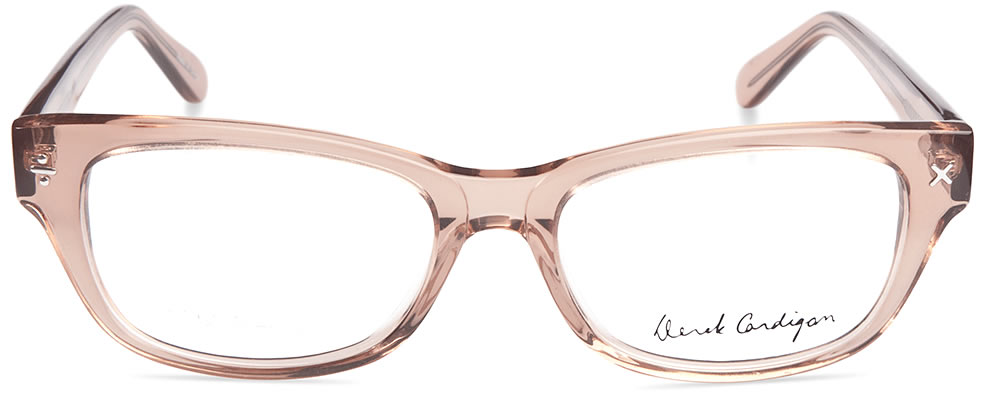
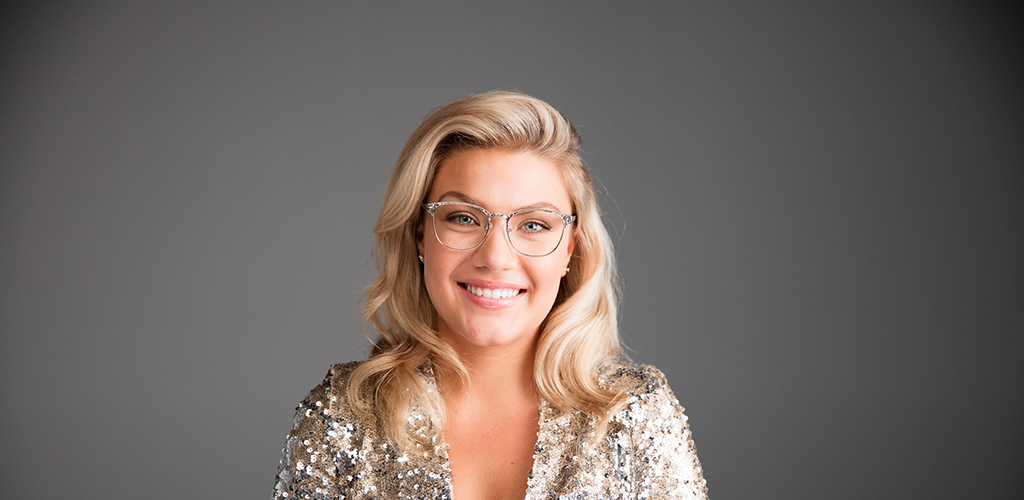
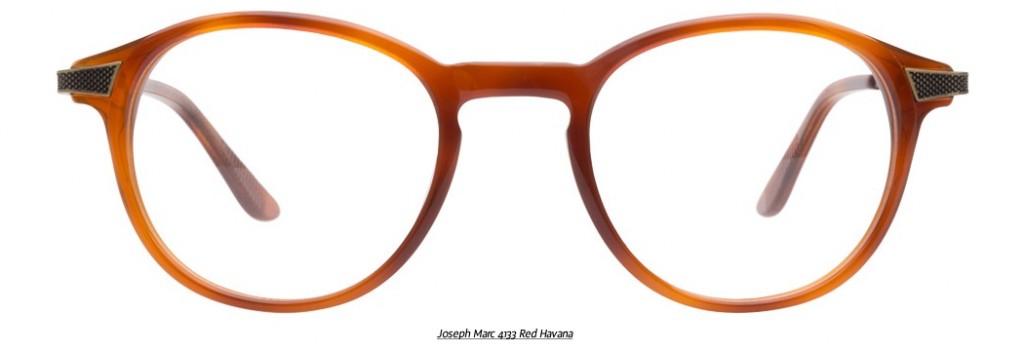
The frame is entirely your call, because progressive lenses do the same job in any of them. That suits anyone who switches between a laptop, a phone and the far side of the room all day. So you get to pick the look you actually want. Your frame budget sits separately from the lens itself. At Clearly you can browse value styles from Sferoflex through designer names such as Ray-Ban and Polo Ralph Lauren, right beside our own-brand Clearly frames.
You can add a few lens options at checkout. An anti-reflective coating, for example, cuts glare from screens and night-time headlights. Light-responsive lenses, often sold under the Transitions brand, stay clear indoors and darken in sunlight, so one pair covers both. For a stronger prescription, a thinner high-index material keeps the lenses from looking heavy at the edges.
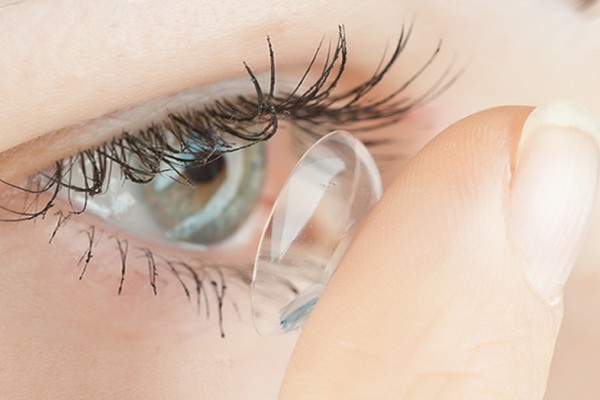
Prefer contacts for sport or a night out? Multifocal contact lenses use the same progressive design. They give near, intermediate and distance vision in a soft lens.
Progressives cost more than plain single-vision lenses, because packing three focus zones into one smooth surface is genuinely harder to make (Canadian Association of Optometrists). [2] What you get back is one pair for the whole day. It carries you from the first email at your desk to the evening menu, with no pocket full of readers.
Getting used to progressives
If you have worn single-vision glasses for years, the first days in progressives feel different. Most people settle in within a week or so of steady wear. Some need up to a couple of months before the head-tilt turns automatic (Cleveland Clinic). [1] Wear them full time at first. Leave the old pair in the drawer, because switching back only resets the learning.
The bottom line
Once presbyopia arrives, progressive eyeglass lenses are the closest thing to natural, all-distance sight. Three focus zones, one lens, no telltale line. Ready to see the menu and the room without swapping glasses? Browse our eyeglasses range, pick a frame you love and add progressive lenses to your order. Your optometrist confirms the exact prescription, and we take care of the rest.
Sources
[1] Cleveland Clinic, “Progressive Lenses: What They Are and How They Work” (https://my.clevelandclinic.org/health/treatments/progressive-lenses) — presbyopia as a normal age-related change starting around 40, progressives removing the bifocal ‘image jump’, and an adjustment period of up to a couple of months.
[2] Canadian Association of Optometrists, “Multifocal Lenses” (https://opto.ca/eye-health-library/multifocal-lenses) — many people prefer progressives for cosmetic reasons and versatility, and progressives cost more than single-vision lenses because they are harder to make.